
Call us now :08071781127
 Send Inquiry
 Send Inquiry
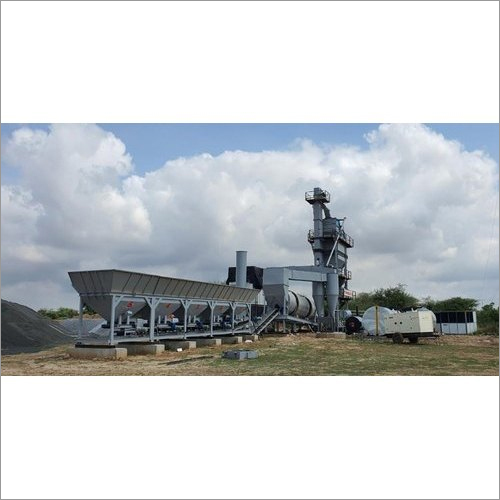
Industrial Nilang Asphalt Batch Mix Plant
Price 12000000 INR/ Plant
MOQ : 1 Unit
Industrial Nilang Asphalt Batch Mix Plant Specification
- Lifting Speed
- 0.8 m/s
- Motor Power
- 30 HP
- Lifting Height
- 6 meters
- Surface
- Painted
- Product Type
- Asphalt Batch Mix Plant
- General Use
- Road Construction
- Material
- Mild Steel
- Type
- Batch Type
- Capacity
- 120 TPH
- Weight (kg)
- 32,000 kg
- Computerized
- Yes
- Automatic
- Yes
- Control System
- PLC Controlled
- Cooling System
- Air Cooling
- Method
- Batch Mixing
- Voltage
- 415 V
- Dimension (L*W*H)
- 18300 x 8000 x 12000 mm
- Feature
- Robust Construction, Reliable Performance, Energy Efficient
- Color
- Black & Yellow
- Fuel Consumption
- 7.5-8.5 L/hr
- Mixer Capacity
- 1500 kg per batch
- Number of Aggregate Bins
- 4
- Production Rate
- 120 tons/hour
- Discharge Height
- 3.8 meters
- Drive Mode
- Electric
- Noise Level
- <85 dB
- Temperature Range
- 140°C - 160°C
- Burner Type
- Automatic Oil/Gas
- Dust Collector
- Cyclone Type
- Installation Mode
- Stationary
- Service Provided
- Installation & Training
- Filler Weighing Capacity
- 300 kg
- Aggregate Weighing Capacity
- 1500 kg
- Drum Diameter
- 2000 mm
Industrial Nilang Asphalt Batch Mix Plant Trade Information
- Minimum Order Quantity
- 1 Unit
- Supply Ability
- 4 Units Per Month
- Delivery Time
- 2-3 Week
Industrial Nilang Asphalt Batch Mix Plant About
Specification
| Aggregate Hopper Capacity | 1600 Kg |
| Brand | Nilang |
| Capacity | 120 TPH |
| Model Name/Number | ABP 120 |
| Country of Origin | Made in India |
| Thermo Drum Driver Type | 4 W Friction Driver |
| Thermo Drum Dryer (LxD) | 7.5x1.8 mtr |
| Secondary Bag House Filter | Bag House Filter Reverse Air Flow |
| Screening Method Inclined Linear Vibration Number of Deck | 4 Deck |
| Pollution Control Primary Type | Centrifugal Cyclonic Pre Separator |
| Mixer Capacity | 1500 Kg |
| Hot Oil Heater Capacity | 500000 Kcal / hr |
| Hot Mix Storage Silo Capacity Range | 15, 50, 100 Ton |
| Filter Area | 380 m3 |
| Filler Silo Capacity Range | 3/7 m3 |
| Filler Screw Capacity | 20 TPH |
| Filler Hopper | 300 Kg |
| Cycle Time | 45 Sec |
| Control Panel Type | Siemens PLC |
| Cold Feed Bins Capacity | 30 m3 |
| Cold Feed Bins | 4 Bins |
| Charging Conveyor Capacity | 140 TPH |
| Burner Type | High Pressure, Modulating, Fully Automatic |
| Burner Fuel | Diesel, Furnace Oil, LDO |
| Bitumen Tanks Capacity Range | 30 Ton |
| Bitumen Tank Capacity Range | 30 Ton |
| Bitumen Pump | 450 LPM |
| Bitumen Hopper Capacity | 225 kg |
| Batch Size | 1500 kg |
High-Efficiency Performance for Road Construction
Designed to meet rigorous industry demands, the Nilang Asphalt Batch Mix Plant combines advanced automation and robust construction for top-tier asphalt production. With precise PLC control, consistent weighing systems, and a cyclone-type dust collector, it ensures superior mix quality while minimizing environmental impact. Its energy-efficient operation and reliable components support large roadworks and infrastructure projects with ease.
User-Friendly and Automated Operation
Engineered for maximum convenience, the plant features a computerized, fully-automatic system for smooth and error-free operation. Operators benefit from intuitive controls, comprehensive installation, and tailored training, making management straightforward. Lifting and discharge systems are optimized for safety and efficiency, further streamlining batch production.
FAQ's of Industrial Nilang Asphalt Batch Mix Plant:
Q: How does the Nilang Asphalt Batch Mix Plant maintain high production efficiency?
A: The plant is designed with a robust batch mixing system and automatic PLC-controlled operations, ensuring consistent production rates of up to 120 tons per hour while using a reliable aggregate and filler weighing mechanism to deliver precise mixes every cycle.Q: What is the process for operating and controlling the plant?
A: Operations are managed via a computerized PLC control system. This allows for automated batching, weighing, mixing, and discharge processes, reducing manual intervention and enhancing operational safety and reliability.Q: What are the benefits of using a cyclone-type dust collector?
A: The cyclone dust collector efficiently traps particulate matter, minimizing air pollution and maintaining a cleaner work environment. This type of collector is well-suited for handling the high dust loads generated during asphalt production.Q: When is the plant ready for use after installation?
A: After installation, the plant is ready for use once the provided training has been completed and initial commissioning checks are verified to ensure all systems are functioning optimally.Q: Where can this asphalt batch mix plant be deployed?
A: The stationary configuration is ideal for fixed installation at major construction sites such as highways, urban roads, or industrial infrastructure projects.Q: How energy efficient is the Nilang Asphalt Batch Mix Plant?
A: With a fuel consumption rate of 7.5-8.5 L/hr and a 30 HP electric drive, the plant is optimized for energy efficiency while maintaining high output and stable temperature control.Q: What is the benefit of having computerized and automatic controls in the plant?
A: Computerized PLC controls automate vital functions, reduce human error, enable easy monitoring, and enhance the consistency and quality of asphalt batches, resulting in improved productivity and operational safety.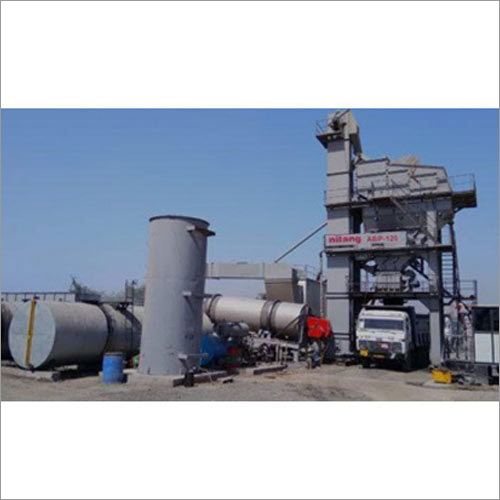
Tell us about your requirement

Price:
Quantity
Select Unit
- 50
- 100
- 200
- 250
- 500
- 1000+
Additional detail
Mobile number
Email

More Products in Asphalt Batch Mix Plant Category
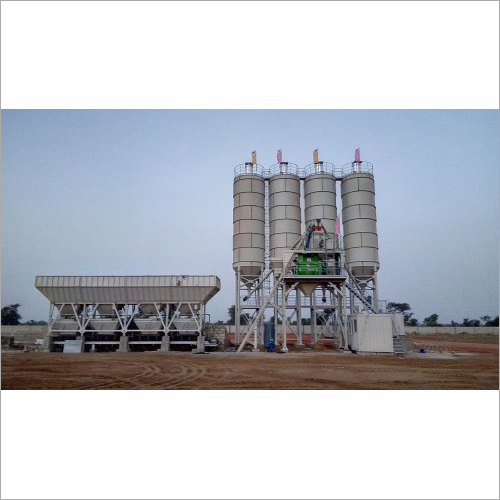
Construction Machinery Spare Parts
Price 100000 INR / Piece
Minimum Order Quantity : 1 Piece
Automatic : Yes
Voltage : 220 Volt (v)
Material : Other, Iron
Product Type : Construction Machinery Spare Parts
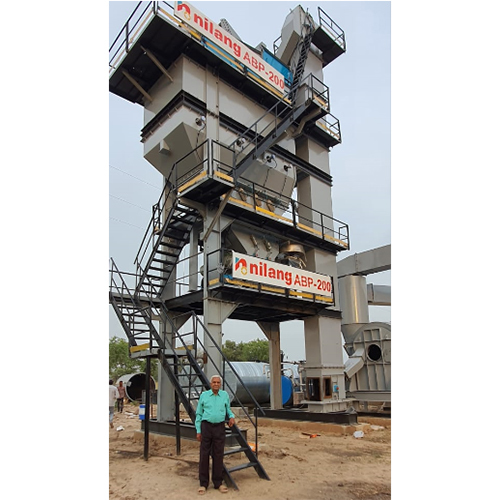
ABP 120 Combat Asphalt Batch Mix Plant
Price 8500000 INR / Unit
Minimum Order Quantity : 1 Unit
Automatic : Yes
Voltage : 380415 V
Material : Other, Mild Steel
Product Type : Asphalt Batch Mix Plant
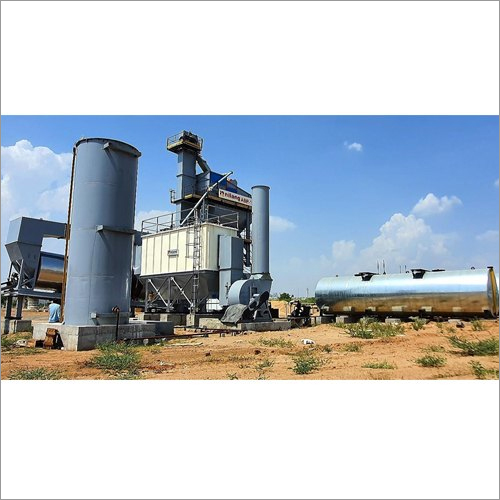
ABP 60 Nilang Asphalt Batch Mix Plant
Price 12000000 INR / Plant
Minimum Order Quantity : 1 Unit
Automatic : Yes
Voltage : 220 Volt (v)
Material : Other, Heavyduty steel construction
Product Type : ABP 60 Nilang Asphalt Batch Mix Plant
ABP 100 Nilang Asphalt Batch Mix Plant
Price 15000000 INR / Plant
Minimum Order Quantity : 1 Unit
Automatic : Yes
Voltage : 220 Volt (v)
Material : Other, Mild Steel
Product Type : ABP 100 Nilang Asphalt Batch Mix Plant

 Send Inquiry
Our Products


Survey No. 2390/002, Near Torrent Pharma, Chhatral - Mahesana Highway, Rajpur,Kadi - 382715, Gujarat, India

Mr Santibhai B Patel
(Director)
Mobile :08071781127
 Send Inquiry
 Send SMS
 Call Me Free
Developed and Managed by Infocom Network Private Limited.
