
Call us now :08071781127
 Send Inquiry
 Send Inquiry
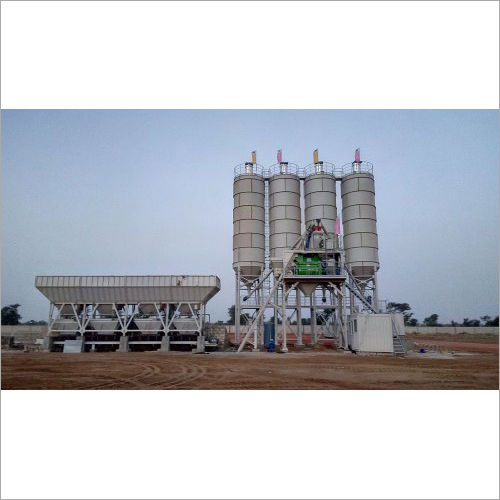
Asphalt Emulsion Plant
Price 900000 INR/ Piece
Asphalt Emulsion Plant Specification
- Motor Power
- 22 kW
- Surface
- Paint Coated
- Product Type
- Asphalt Emulsion Plant
- General Use
- Manufacturing asphalt emulsion for road construction
- Material
- Mild Steel
- Type
- Continuous / Batch Type
- Capacity
- 6 - 10 Tons per hour
- Weight (kg)
- 4000 kg
- Computerized
- Yes
- Automatic
- Yes
- Control System
- PLC Based
- Cooling System
- Water Cooled
- Method
- Continuous Mixing
- Voltage
- 220 Volt (v)
- Dimension (L*W*H)
- 6000 x 2200 x 2500 mm
- Feature
- High Efficiency, Low Maintenance, Modular Design
- Color
- Blue / White
- Mixing Tank Volume
- 1500 Litres
- Water Feeding Pump Power
- 3 kW
- Emission Standard
- Compliant with International Road Standards
- Temperature Control
- Digital Thermostat
- Emulsion Type
- Cationic / Anionic
- Bitumen Feeding Pump Power
- 7.5 kW
- Agitator Type
- Paddle / Helix
- Heating System
- Thermic Oil or Electric
- Asphalt Emulsifier
- Colloid Mill
- Storage Tank Capacity
- 5000 Litres
Asphalt Emulsion Plant Trade Information
- Supply Ability
- 10 Per Month
- Delivery Time
- 15 Days
Asphalt Emulsion Plant About
Bitumen emulsion plant permitting the ceaseless creation of fundamental or adjusted emulsion tolerating any sort of bitumen with the assembling of the Cleanser arrangement by bunch.Completely configurable, coordinating the satisfactory innovations for improving on the activity of the unit, the emulsion plant is either a fixed or portable plant and is outfitted with the colloid factory, the Bitumen emulsioni plant designed by your requirements:
- - regardless of transition line
- - with fluid or pale amines
- - regardless of plastic
- - regardless of energy recuperation
- - and so on
Product details
- Country of Origin : Made in India
- Automation Grade : Automatic
- I Deal In : New Only
- Voltage : 220V
- Capacity : 160 TPH
- Usage/Application : Construction
High Efficiency and Capacity
Designed to produce up to 10 tons of asphalt emulsion per hour, this plant integrates a reliable 22 kW motor and paddle/helix agitator. Its continuous mixing method and computerized PLC-based control system ensure consistent quality and minimal downtime, yielding superior end products for substantial road construction needs.
Advanced Control and Safety
Equipped with a digital thermostat and automated PLC controls, the plant assures precise temperature management and seamless operation. The modular structure and user-friendly interface make maintenance straightforward, while strict adherence to international road emission standards ensures environmental compliance.
Flexible Mixing and Storage Solutions
Users can choose between cationic or anionic emulsion types, with both continuous and batch processing available. The large 5000-litre storage tank and efficient cooling system allow for reliable storage and rapid changeovers, supporting a range of project sizes and specifications for modern roadwork requirements.
FAQs of Asphalt Emulsion Plant:
Q: How does the asphalt emulsion plant ensure precise temperature control during operation?
A: The plant is equipped with a digital thermostat and features either thermic oil or electric heating systems. These technologies work in tandem with the PLC-based control, maintaining stable temperatures to uphold optimal emulsion quality throughout the production process.Q: What types of emulsions can be produced with this asphalt emulsion plant?
A: The plant is capable of manufacturing both cationic and anionic asphalt emulsions, suitable for a wide range of road construction applications, ensuring compatibility with various project requirements and site conditions.Q: When should I opt for the continuous mixing method over batch processing?
A: Continuous mixing is ideal for large-scale production where consistent output and efficiency are priorities. Batch processing offers flexibility for smaller volumes or custom formulations, allowing users to adapt to differing project demands.Q: Where is the asphalt emulsion plant most effectively utilized?
A: This plant is especially effective for road construction and maintenance projects. Its compliance with international emission standards makes it suitable for use by exporters, manufacturers, suppliers, and traders throughout India and beyond.Q: What is the process for producing asphalt emulsion in this plant?
A: Bitumen, water, and emulsifiers are fed via dedicated pumps into the mixing tank where the colloid mill disperses the components. Controlled by a PLC system, the mixture is heated and stabilized, resulting in uniform cationic or anionic emulsions stored in the integrated tank.Q: How does the modular design benefit the user?
A: The modular structure facilitates easy installation, expansion, and routine maintenance. This design also contributes to lower long-term operational costs and allows for equipment upgrades as production requirements evolve.Q: What are the usage advantages provided by the computerized controls?
A: The computerized PLC controls automate key functions, ensuring consistent emulsion quality, reducing human error, and enabling precise adjustments during production. This enhances operational safety and productivity while simplifying the production process.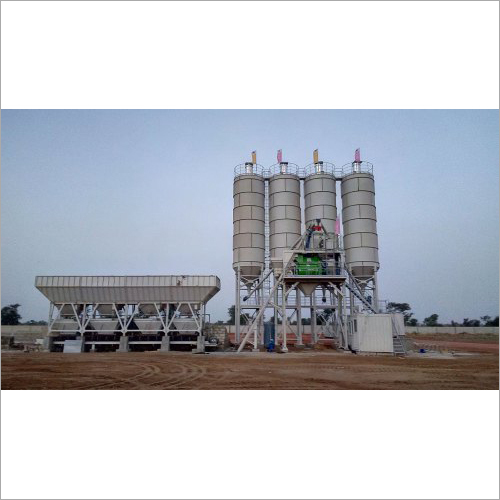
Tell us about your requirement

Price:
Quantity
Select Unit
- 50
- 100
- 200
- 250
- 500
- 1000+
Additional detail
Mobile number
Email

More Products in Asphalt Batch Mix Plant Category
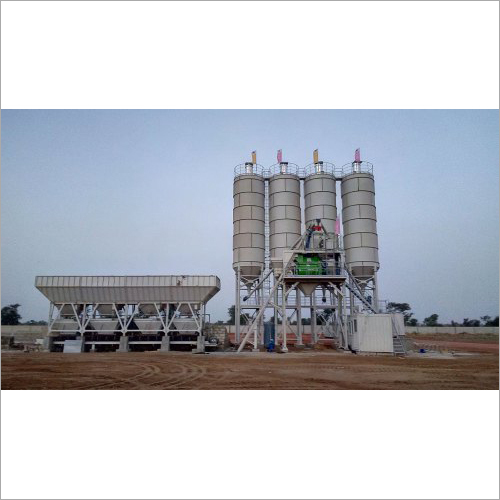
Hot Mix Plant Parts
Price 500000 INR / Piece
Minimum Order Quantity : 2 Pieces
Control System : Other, Manual/Mechanical
Method : Other, Batch or Continuous
Computerized : No
Surface : Polished, Painted, AntiCorrosive
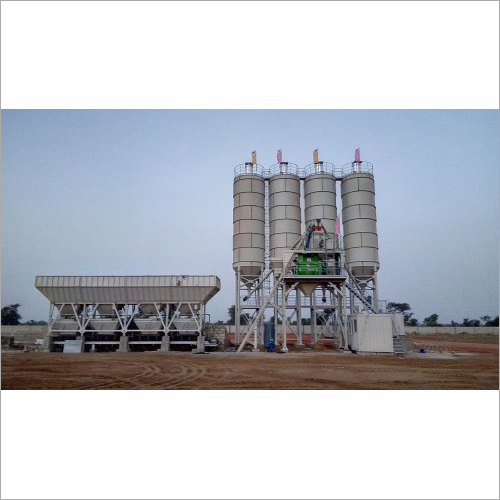
Construction Machinery Spare Parts
Price 100000 INR / Piece
Minimum Order Quantity : 1 Piece
Control System : Other, Push Button Control
Method : Other, Mechanical Drive
Computerized : No
Surface : Paint Coated
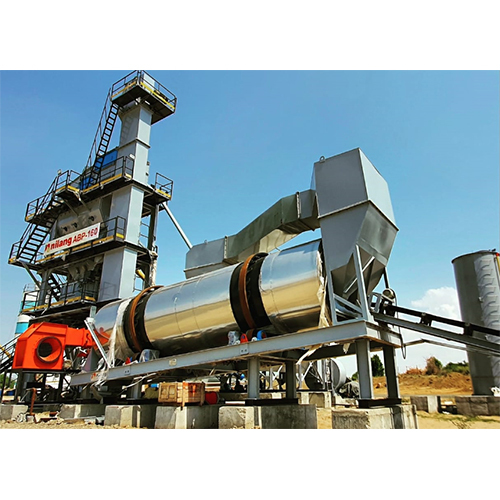
Automatic Asphalt Batch Mix Plant
Price 8500000 INR / Unit
Minimum Order Quantity : 1 Unit
Control System : Other, PLC based
Method : Other, Batch Mixing
Computerized : Yes
Surface : Paint Coated
Concrete Mixer Spare Part
Price 100000 INR / Piece
Minimum Order Quantity : 1 Piece
Control System : Manual
Method : Other, Mechanical
Computerized : No
Surface : Polished

 Send Inquiry
Our Products


Survey No. 2390/002, Near Torrent Pharma, Chhatral - Mahesana Highway, Rajpur,Kadi - 382715, Gujarat, India

Mr Santibhai B Patel
(Director)
Mobile :08071781127
 Send Inquiry
 Send SMS
Developed and Managed by Infocom Network Private Limited.
