
Call us now :08071781127
 Send Inquiry
 Send Inquiry
Bitumen Drum Decanter Plant
Price 1450000 INR/ Unit
MOQ : 1 Unit
Bitumen Drum Decanter Plant Specification
- Shape
- Rectangular with cylindrical drum chambers
- Torque
- High-torque hydraulic drum tilting system
- Diameter
- Standard drum diameter up to 600 mm
- Phase
- 3 Phase
- Product Type
- Bitumen Drum Decanter Plant
- General Use
- Melting and decanting bitumen from drums for road construction and asphalt plants
- Material
- Mild Steel
- Type
- Drum Melting Equipment
- Capacity
- 3 to 7 tons per hour (varies by model)
- Weight (kg)
- Approx. 7000 - 11000 kg (model dependent)
- Computerized
- No
- Automatic
- Yes
- Touch Screen
- No
- Control System
- PLC based control panel
- Surface Treatment
- Anti-corrosive paint coated
- QC System
- ISO certified quality checks
- Tolerance
- Standard industrial tolerance
- Drawing
- Available on request
- Voltage
- 220 Volt (v)
- Dimension (L*W*H)
- 8.5 m x 2.3 m x 2.8 m (approx.)
- Feature
- Continuous production, thermal insulation, low power consumption
- Color
- Industrial yellow or as required
- Heating System
- Thermic oil or hot air system
- Installation Time
- 2 to 3 days with skilled manpower
- Environmental Compliance
- Meets local pollution control norms
- Power Consumption
- 10 KW - 15 KW (model wise)
- Noise Level
- < 75 dB(A) during operation
- Number of Drums Processed
- 16 Drums per batch (approx.)
- Decanting Efficiency
- Up to 99% bitumen recovery
- Maximum Drum Size
- 200 Liter barrels/drums
- Fuel Used
- Diesel, LDO, or Furnace oil
- Ambient Operating Temperature
- -10C to +50C
- Safety Features
- Over-temperature protection, Emergency shut-off
- Maintenance Requirement
- Low, with easily accessible components
- Transportability
- Skid mounted / Towable versions available
- Bitumen Output Temperature
- 120C to 160C
Bitumen Drum Decanter Plant Trade Information
- Minimum Order Quantity
- 1 Unit
- Supply Ability
- 10 Units, , Per Month
- Delivery Time
- 15 Days
Bitumen Drum Decanter Plant About
This automatic Bitumen Drum Decanter Plant is useful for reheating and melting of bitumen at 200 degree C temperature prior to its application on road surface. Made of mild steel, this decanter system comes with 4 TPH to 5 TPH production capacity range. This automatic plant has facility like automatic oil barrel reversing function for melting of bitumen. As its result, labor cost is saved which in turn reduces project cost. Internal circulation function of its bitumen pump improves heat transfer co-efficiency process which in turn boosts melting speed of bitumen. Offered Bitumen Drum Decanter Plant is also equipped with automatic slag removal arrangement. Its enclosed structure prevents environmental pollution.
Specification
| Country of Origin | Made in India |
| Brand | Nilang |
| Capacity | 4-5 TPH |
| Model Number | 3R X 9D |
| Usage | For Reheat and Melting of Bitumen |
| Material | Mild Steel |
| Temperature Range | 200 Degree C |
| Automation Grade | Automatic |
Superior Bitumen Recovery and Efficiency
This plant is designed to decant bitumen from drums with up to 99% recovery efficiency, minimizing material loss and maximizing productivity. The high-torque hydraulic drum tilting system ensures thorough emptying, and thermal insulation maintains optimal melting temperatures. The automated process guarantees a streamlined, continuous operation for large-scale roadwork or asphalt mixing projects.
Robust Safety and Environmental Compliance
Equipped with advanced safety mechanisms such as over-temperature protection and emergency shut-off, this decanter plant is built for safe, trouble-free operations. Its noise level remains below 75 dB(A), and the system adheres to local pollution norms, ensuring environmentally responsible usage in any setting.
Flexible Deployment and Quick Installation
Available in skid-mounted and towable versions, this plant is easily relocatable to various project sites. With a rapid setup time of 2 to 3 days using skilled manpower, it is well-suited for contractors seeking decreased downtime and increased operational flexibility. The compact, rugged design withstands a wide range of temperatures and industrial conditions.
FAQ's of Bitumen Drum Decanter Plant:
Q: How does the Bitumen Drum Decanter Plant operate during the bitumen melting process?
A: The plant uses either a thermic oil or hot air system to heat and melt bitumen from inside 200-liter drums placed in its decanting chamber. Hydraulically tilted drums facilitate complete extraction, and the process is automatically managed by a PLC-based control panel, ensuring consistent output temperatures between 120C and 160C.Q: What types of fuel can be used to operate the heating system?
A: The plant can utilize diesel, LDO (light diesel oil), or furnace oil as fuel sources for the heating mechanism, offering flexibility based on local fuel availability and operational preferences.Q: When should I consider using this decanter plant in my road construction project?
A: You should use this plant whenever you need to efficiently melt and decant bitumen from standard drums for large-scale paving or asphalt jobs, especially when a continuous and high-capacity supply of liquid bitumen is crucial to project timelines.Q: Where can this drum decanter plant be installed, and is it suitable for remote locations?
A: Thanks to its skid-mounted and towable designs, the plant can be quickly deployed on various job sites, including remote or temporary project locations. Its compact footprint and durable build allow for installation in diverse environments, handling ambient temperatures from -10C to +50C.Q: What benefits does this decanter plant provide over manual bitumen melting methods?
A: This automated system delivers higher decanting efficiency (up to 99%), lowers manual labor, reduces safety risks, and ensures minimal energy consumption. The continuous production capability directly supports project deadlines and helps maintain consistent quality for road construction.Q: How easy is it to maintain the Bitumen Drum Decanter Plant?
A: The plant is engineered for low maintenance, featuring easily accessible components and anti-corrosive paint coatings. Routine maintenance is straightforward, minimizing downtime and operational costs.Q: What safety and environmental features are included in the plant?
A: The system is equipped with over-temperature protection and emergency shut-off mechanisms. It maintains a noise level below 75 dB(A) and is compliant with local pollution control standards, ensuring safe and environmentally sound operation.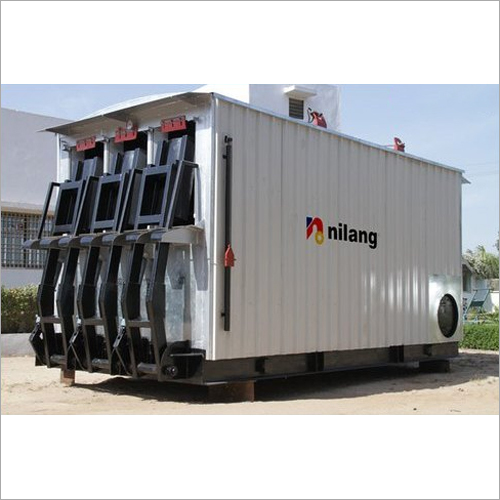
Tell us about your requirement

Price:
Quantity
Select Unit
- 50
- 100
- 200
- 250
- 500
- 1000+
Additional detail
Mobile number
Email

More Products in Bitumen Drum Decanter Category

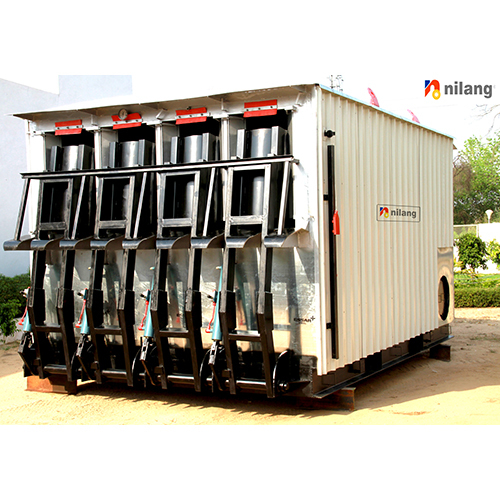
4R X 10D Nilang Bitumen Drum Decanter
Price 2225000 INR / Plant
Minimum Order Quantity : 1 Unit
Feature : Other, Continuous loading/unloading, Drum Loading Ramp, Reliable Heating System
Surface Treatment : Other, Paint Coated
QC System : ISO 9001:2015 Certified
Drawing : Other, Available on Request
Nilang Bitumen Drum Decanter
Price 1500000 INR / Unit
Minimum Order Quantity : 1 Unit
Feature : Other, Continuous Drum Feeding, Low Energy Consumption, High Efficiency, Pollution Free Operation
Surface Treatment : Other, Paint Coated
QC System : ISO Certified
Drawing : Other, Available on Request
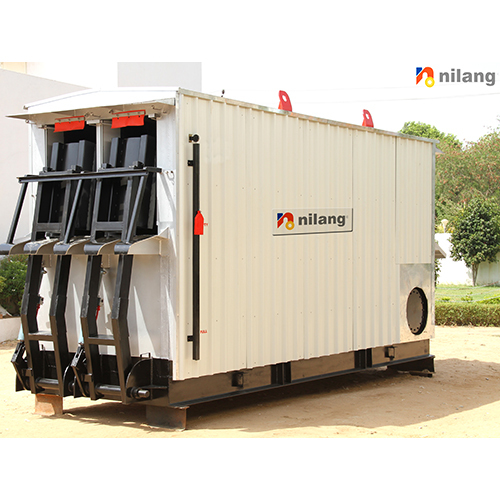
3R X 9D Nilang Bitumen Drum Decanter
Price 1750000 INR / Unit
Minimum Order Quantity : 1 Unit
Feature : Other, High efficiency heat exchange, minimal bitumen residue
Surface Treatment : Other, Paint Coated
QC System : Inhouse quality check
Drawing : Other, Available on request
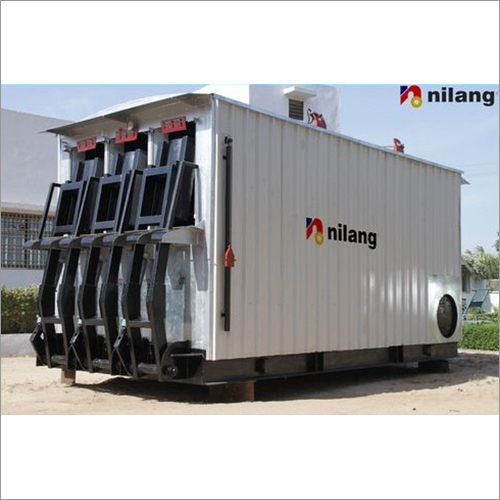
2R X 10D Nilang Bitumen Drum Decanter
Price 1650000 INR / Unit
Minimum Order Quantity : 1 Unit
Feature : Other, High Efficiency, Save fuel, Low Maintenance
Surface Treatment : Other, Paint Coated
QC System : ISO 9001:2015 Certified
Drawing : Other, Available on request

 Send Inquiry
Our Products


Survey No. 2390/002, Near Torrent Pharma, Chhatral - Mahesana Highway, Rajpur,Kadi - 382715, Gujarat, India

Mr Santibhai B Patel
(Director)
Mobile :08071781127
 Send Inquiry
 Send SMS
Developed and Managed by Infocom Network Private Limited.
